


FOLLOW US


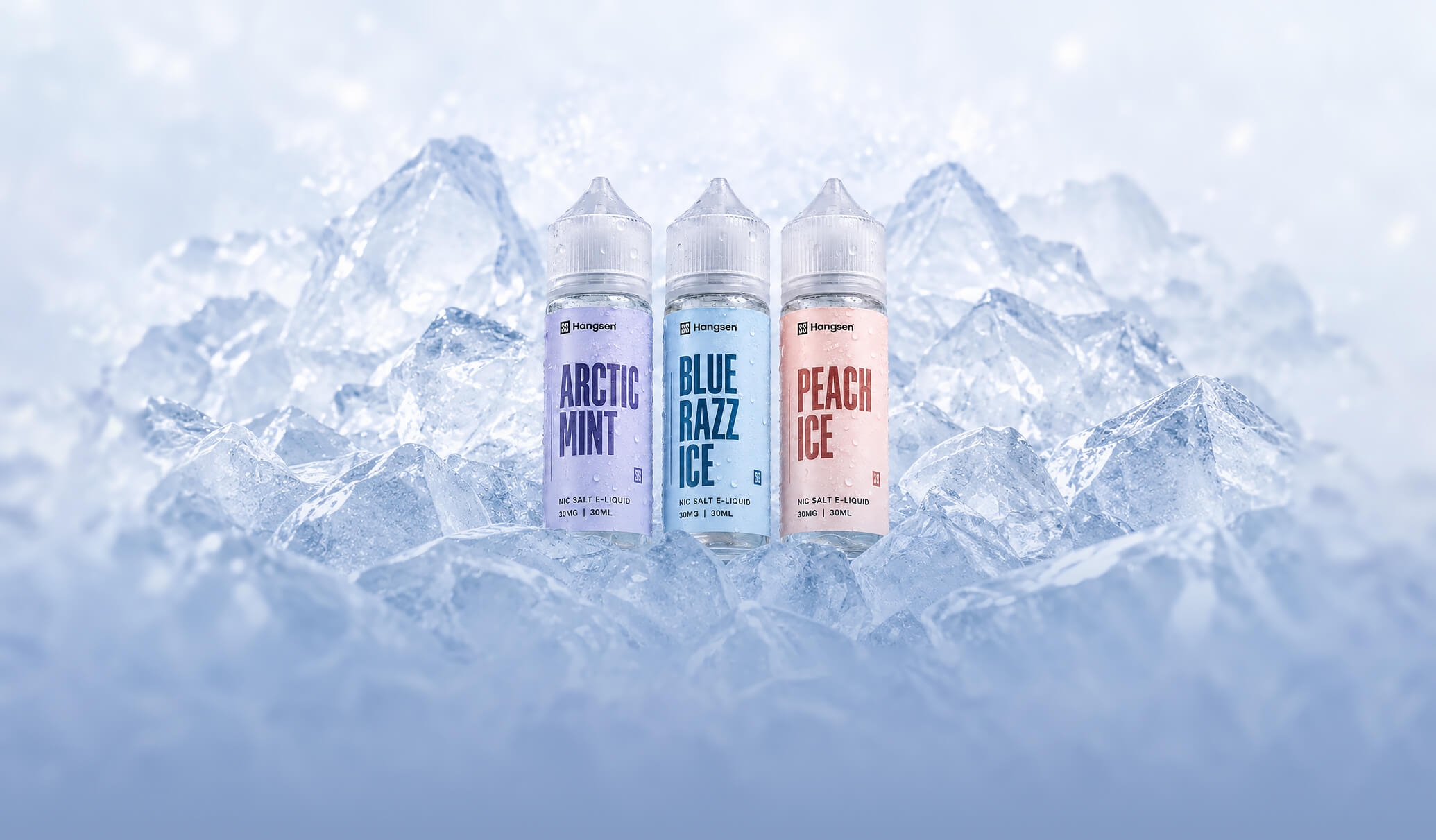
Launching an e-liquid brand typically requires an initial budget ranging from a few thousand to tens of thousands of dollars, depending on the size of the first order, product development approach, packaging requirements, and target market.
The overall budget usually includes product manufacturing, sample development, packaging, brand design, testing and compliance, and logistics. Established manufacturers often offer a wide range of existing solutions for customers to choose from. This can lower the upfront investment and reduce the cost of testing and refining a new project.
What Are the Main Costs of Launching an E-Liquid Brand?
For a new brand using existing product solutions and standard packaging, most of the budget is usually spent on product manufacturing. Sample development, standard packaging, and basic design often add little extra cost. Testing, compliance, and logistics can vary by target market and project.
Cost Item | Main Cost Drivers | Cost Share |
Product Manufacturing | Depends on the number of SKUs and order volume. Larger orders usually reduce unit cost. | Approx. 70–90% |
Sample Development & Approval | Usually free. Complex requirements, technically demanding development, or multiple revisions may incur additional charges. | 0–5% |
Packaging | Depends on order volume, packaging format, and customization requirements. Small runs usually cost more, while packaging costs can become negligible at scale. | 0–5% |
Brand Design | Basic design is often provided by the manufacturer. Professional brand design may require additional budget. | 0–10% |
Testing & Compliance | Depends on the target market and local regulations. Costs are usually lower when registered SKUs are already available. | 0–15%+ |
Logistics | Depends on order volume and supplier location. International sourcing usually costs more than local sourcing. | 0–10%+ |
*The figures above are based on actual project data from Hangsen International Group and are intended for reference only.
Existing Product Solutions Can Reduce Startup Costs
For brands launching e-liquid for the first time, the simplest approach is usually not to develop a formula from scratch. Instead, they can choose from products the manufacturer has already developed. This is commonly known as White Label.
Using an existing product can reduce the time required for R&D, repeated sampling, and product approval. It also makes the budget easier to control. If an existing product does not fully meet the brand’s requirements, targeted adjustments can be made afterwards.
Although this approach may sound less appealing than developing an exclusive formula, it is very common across the industry. Many successful brands initially launched with formulas already developed by their manufacturers, and some best selling products still use those original formulas today. For a new brand, choosing the right product, getting the positioning right, and executing well in the market can matter more than simply having an exclusive formula.
If customization is required, common adjustments to flavor, sweetness, or cooling level often do not create significant additional R&D costs. Extra charges are more likely when a project involves technically difficult development or multiple rounds of revision.
Customization often adds more time than direct cost. Multiple rounds of sampling, shipping, and approval can extend the development process. Major formula changes may also require additional testing or compliance work. For overseas customers with deeper customization requirements, conducting flavor adjustments and sample approval during a factory visit can make the process much more efficient.
How Many SKUs Should You Launch, and How Much Should You Order?
The right number of SKUs and the quantity of each product depend largely on how much the brand already knows about its market.
If the first order is being used to test consumer preferences, the brand can launch a broader range of SKUs while keeping the quantity of each close to the MOQ. This allows different flavors to be tested without creating excessive inventory. A relatively common starting point is 6 to 8 flavors, with around 2,000 to 3,000 units per flavor. This puts the initial product order at roughly $10,000 to $20,000.
If the brand already has reliable market data, there is less need to spread the budget across many products. It may be more effective to focus on a smaller number of popular SKUs and increase the quantity of those products. This can help control inventory risk while also reducing unit cost.
Fewer SKUs are not always better. When market information is limited, a broader SKU range can help test consumer preferences. When the market is already well understood, the budget can be concentrated on products with stronger sales potential.
How Can Packaging Costs Be Controlled?
For people unfamiliar with manufacturing, there is one counterintuitive point. A smaller order can actually increase packaging costs.
Customized materials such as labels and printed boxes often have their own minimum order quantities. Special bottle shapes, caps, or other customized packaging components may also have separate minimum requirements. With a small production run, fixed costs such as sampling, printing, customization, and tooling are spread across fewer units. This can significantly increase the packaging cost per unit.
Some small volume projects may also require several hundred to more than a thousand dollars in additional packaging customization costs.
As order volume increases, these fixed costs can be spread across more units. Some sampling and customization costs may also be absorbed by the manufacturer. For larger orders using standard bottle formats and existing packaging solutions, packaging can become a very small part of the total project cost.
Packaging costs therefore cannot always be reduced simply by ordering less. In some cases, an order that is too small creates additional expense. For a new brand, a more efficient approach is often to use the manufacturer’s existing bottle formats and packaging specifications, then choose an order volume based on the cost structure of the packaging supply chain. This helps control initial spending while improving overall cost efficiency.
Set Aside Some Budget for Brand Design
Consumers and distributors usually see the brand and packaging before they experience the product itself. A strong product paired with cheap looking or generic design can reduce perceived value and sales potential. Poor design can also leave an otherwise good product unnoticed on the shelf.
This affects more than first impressions. If the brand needs to redesign the product later, it may face additional packaging costs or even another production run.
Most e-liquid manufacturers can provide basic label and packaging design, so a simple project may not require significant additional design spending. However, the details that determine whether a product stands out in the market are often the easiest ones to overlook.
If stronger visual differentiation and a more professional brand presence are important, it is worth reserving part of the project budget for professional brand design.
Your Target Market Will Affect Testing and Compliance Costs
Compliance requirements for e-liquid products vary between countries and regions, so the target market can have a direct impact on the project budget.
Some markets have relatively simple entry requirements. More regulated markets may require additional product testing, technical documentation, registration, or other compliance work. If the manufacturer already has registered SKUs available for that market, the brand may be able to use an existing compliant solution and reduce testing and compliance costs.
A new brand does not need to understand every local regulation before starting a project. Tell the manufacturer your target market early in the process. An experienced team can then confirm the relevant product and packaging requirements and help avoid unnecessary spending and delays.
Should You Choose a Local or Overseas Manufacturer?
The main advantages of local manufacturers are proximity and easier communication. Logistics costs are usually lower, communication is more direct, and factory visits are easier to arrange. For brands focused mainly on their domestic market and looking to move quickly, these advantages can be very practical.
Overseas sourcing can offer a different kind of value, particularly when working with major manufacturing hubs such as Shenzhen, China. Shenzhen has a highly concentrated ecosystem of vape hardware manufacturers, e-liquid producers, raw material suppliers, packaging suppliers, and specialized service providers.
Brands can benefit from broader product development support, mature manufacturing capabilities, and economies of scale. These resources can be difficult to access together in many other regions.
Working with an established overseas manufacturing hub can also give brands access to product concepts, technical capabilities, and development resources that may be less common in their local market. This can help create stronger differentiation. More importantly, it can also build a stronger foundation for future international expansion.
Don’t Just Look at Unit Price. Consider the Hidden Costs.
Unit price matters when choosing an e-liquid manufacturer, but it does not represent the full cost of a project. Some of the most important costs are not reflected in the quoted unit price.
Inconsistent product quality, inadequate testing systems, unproven product solutions, or weak brand support can all create unexpected product risks and additional operating costs.
At the beginning of a project, saving a few cents per bottle is usually less important than ensuring reliable product quality and a smooth launch. Once sales become more established, costs can be improved through larger purchasing volumes, supply chain optimization, and commercial negotiations with the manufacturer.
For a new brand, reliable product quality, a strong testing system, proven product solutions, and professional brand support can reduce many hidden costs. Reducing costly mistakes and improving the chances of a successful launch is often more valuable than securing the lowest possible quote at the beginning.
How Can You Launch an E-Liquid Brand With a Lower Initial Budget?
For brands entering the market for the first time, controlling the initial investment does not need to be complicated.
Using the manufacturer’s existing product solutions, choosing the right SKU mix and order quantities, selecting standard bottles and packaging, and defining the target market clearly can all make the first launch faster and easier to manage.
The first launch does not need to include every idea the brand may eventually want to pursue. The initial product range can be used to test consumer and distributor response. Once the market becomes clearer, the brand can add flavors, increase order volumes, or upgrade packaging.
An experienced manufacturer can also help determine which requirements can be met with existing solutions, which are worth customizing, and which investments are unnecessary at an early stage. This can reduce development time and avoidable costs.
Start Your E-Liquid Project
Tell us your target market, product requirements, budget, and launch plan. Hangsen can help you build a launch plan that fits your market, budget, and timeline, from product selection to manufacturing and delivery.
Contact us at [email protected]. A dedicated account manager will work with you and help move your project forward.

 Previous